Today, a modern 250cc two-stroke motocross bike might be able to match the power output of a 1990 KX500, but even a fuel-injected 450cc four-stroke motocross bike can’t match the massive torque of a 500cc monster….
Over the decades, motocross bikes have evolved dramatically, driven by advancements in engineering, materials science, and rider demands. When comparing a modern 250cc two-stroke motocross bike to its predecessor from 1990, such as the Kawasaki KX500, the differences in power output are surprisingly close, despite the significant technological gap. However, the story of torque tells a different tale—one that highlights the raw, brute strength of larger-displacement monsters like the 500cc two-stroke or even 700cc engines, which continue to set benchmarks in torque rather than outright horsepower.
**The Power Dynamics of Modern 250cc Two-Strokes**
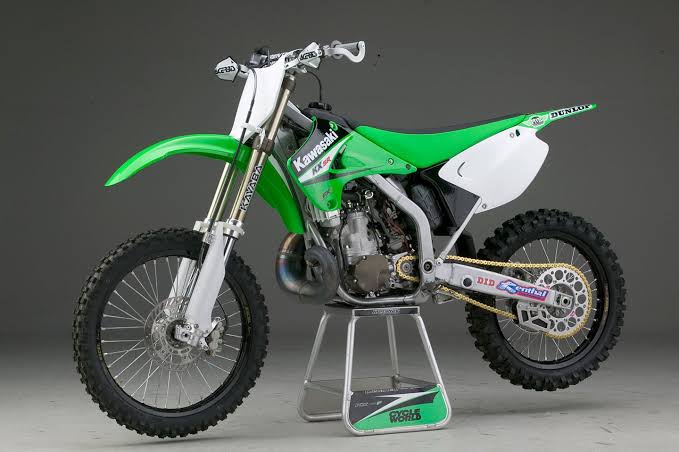
In 1990, the Kawasaki KX500 was renowned for its combustible combination of size and power—a 500cc two-stroke engine that produced around 55-60 horsepower. Fast forward to today, and a modern 250cc two-stroke motocross bike, which might seem modest by comparison, can now generate nearly the same power output—sometimes within a few horsepower—thanks to refined porting, high-performance exhaust systems, and advanced engine management techniques. Fuel injection, improved combustion chamber design, and lightweight materials have all contributed to this near parity in power.
This achievement underscores how much engineering has advanced. Modern 250cc two-strokes are lighter, more reliable, and more efficient, yet they can punch out comparable horsepower figures to their larger, older counterparts. Still, horsepower alone doesn’t tell the full story of a bike’s performance; the nature of the power delivery and, crucially, torque, play vital roles in how a bike feels and handles on the track.
**Why Torque Matters in Motocross**
Torque—the rotational force an engine produces—is what propels a bike out of corners and up steep inclines. It influences acceleration, throttle response, and the ability to maintain high speeds over rough terrain. In the era of big-bore two-strokes like the KX500, torque was legendary. Its large displacement meant a massive piston area pushing down on the crankshaft, providing an almost instant push that could dominate in technical sections.
While modern 250cc two-strokes can match the power figures of the 1990 KX500, they often still fall short in torque. This is because smaller engines inherently produce less torque due to their displacement. The KX500, with its 500cc displacement, was capable of massive torque figures—often exceeding 40 Nm (Newton-meters)—which gave it a distinctive, aggressive pull that riders could feel in their gut.
**The Rise of Four-Stroke Engines**
Four-stroke engines brought a different philosophy to motocross. They produce less peak horsepower at the same displacement compared to two-strokes, but their strength lies in torque delivery and engine durability. A modern 450cc four-stroke motocross bike, for instance, may produce around 50 horsepower—comparable to or slightly less than a vintage 500cc two-stroke—but its torque output often surpasses that of its two-stroke counterparts.
However, even with fuel injection and high-tech valvetrain systems, a 450cc four-stroke’s torque peak might be around 45 Nm. While impressive, it still generally doesn’t reach the colossal torque figures of a 500cc two-stroke monster. The reason is simple: larger engine displacement translates directly into higher torque potential.
**The 500cc and 700cc Monsters: Masters of Torque**
The legendary 500cc two-strokes like the KX500 and Honda CR500 are still revered for their extraordinary torque. Riders and enthusiasts often describe their engines as “brute force,” capable of launching the rider out of corners with a sudden surge. These engines deliver torque in spades—often exceeding 40 Nm—making them formidable on technical and steep terrain.
Going even further, some custom or specially built bikes have pushed into the 700cc range or more. These engines, often based on modified or purpose-built designs, can produce staggering torque figures—sometimes approaching or exceeding 50 Nm. Such bikes are not just about raw power but about the visceral experience of torque that can propel a rider forward with relentless force, especially at low RPMs where the torque curve peaks.
**The Evolution of Performance and Rider Experience**
Today’s motocross bikes are designed for a balance of power, handling, and reliability. The emphasis on peak horsepower has led to high-performance 250cc two-strokes and 450cc four-strokes that are highly sophisticated, lightweight, and responsive. They excel in delivering smooth, controllable power suited for technical tracks and high-speed racing.
Yet, the raw, unfiltered torque of the larger-displacement monsters remains a defining feature. It provides a sense of immediacy and dominance that many riders still chase. For example, the torque curve of a 500cc two-stroke is often characterized by a broad, flat peak that provides instant, punchy acceleration across a wide RPM range—a trait that is hard to replicate in smaller, modern engines.
**Conclusion**
In essence, a modern 250cc two-stroke motocross bike, thanks to technological advancements, can now nearly match the power output of the 1990 KX500. However, the torque—so crucial for those explosive starts and technical challenges—remains largely the domain of larger-displacement engines. The legendary 500cc two-strokes and custom 700cc monsters epitomize the raw power and torque that define their era, serving as a reminder of the brute-force performance that continues to inspire riders and engineers alike. Whether it’s the thrill of peak horsepower or the visceral pull of massive torque, these machines showcase the ongoing evolution and enduring allure of motocross engineering.