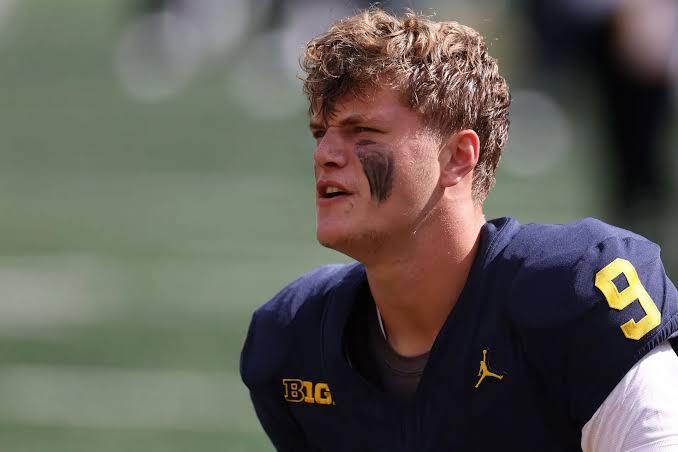
JJ McCarthy opening up about overcoming depression is bigger than football. He admitted he hit a low point, but found ways to reset his mindset through meditation and breathing practices — and it’s changed how he approaches both life and the….
In the high-stakes world of college football, where the spotlight shines brightly on every game, every play, and every achievement, it’s easy to forget that the athletes on the field are human beings with struggles behind the scenes. Michigan quarterback JJ McCarthy recently broke that mold by openly sharing his personal battle with depression, revealing a perspective that transcends football and offers hope to many facing similar challenges.
**A Low Point Hidden Behind the Helmet**
JJ McCarthy’s journey toward mental wellness was not marked by a dramatic event or an overnight transformation. Instead, it was a gradual realization that he was hitting a low point — a period when the pressures of competition, expectations, and personal doubts became overwhelming. For someone so talented and driven, admitting to feelings of depression was a daunting step. Yet, McCarthy recognized the importance of addressing his mental health, understanding that doing so was essential not only for his well-being but also for his performance on the field.
In candid interviews, McCarthy explained that during this difficult phase, he often felt disconnected, anxious, and overwhelmed by the weight of expectations. He described moments of self-doubt that threatened to derail his confidence and passion for the game. But rather than retreat into silence, he chose to confront these feelings head-on, seeking ways to reset his mental state and regain balance.
**Finding Ways to Reset: Meditation and Breathing Practices**
The turning point in McCarthy’s mental health journey came when he discovered meditation and mindful breathing exercises. Initially skeptical, he decided to give these practices a genuine effort after consulting sports psychologists and mental health professionals. What he found was a powerful tool that helped him regain control over his thoughts and emotions.
Meditation, for McCarthy, became a daily ritual. It allowed him to pause, focus on his breath, and create a mental space free from external pressures. Breathing exercises, particularly deep diaphragmatic breathing, served as a quick and effective method to reduce anxiety during stressful moments, whether it was during a game or in his personal life. These practices helped him develop a greater sense of self-awareness and emotional regulation.
Over time, McCarthy noticed that his approach to both life and football had shifted. Instead of being overwhelmed by the noise and chaos around him, he learned to center himself, find calm in the storm, and approach challenges with a clearer mind. The mental clarity gained through these practices not only improved his focus on the field but also strengthened his resilience off it.
**Changing the Narrative: From Struggle to Strength**
McCarthy’s openness about his struggles has resonated deeply with fans, teammates, and young athletes who often face similar mental health concerns but hesitate to speak out. His honesty underscores a vital message: mental health is just as important as physical health, and seeking help is a sign of strength, not weakness.
By sharing his journey, McCarthy is helping to destigmatize depression among athletes, encouraging others to prioritize their mental well-being. His story highlights that overcoming depression is not about eliminating negative feelings entirely but rather developing tools to manage and live with them effectively.
**A New Approach to Life and Football**
This renewed mindset has profoundly impacted McCarthy’s approach to football. He now views the game not just as a competition but as an opportunity for personal growth. His improved mental health has translated into better decision-making, increased confidence, and a more positive outlook on his career.
Off the field, McCarthy’s experience has made him more empathetic and understanding toward others facing mental health struggles. He has become an advocate for mental health awareness, speaking openly about the importance of self-care, therapy, and mindfulness practices.
**Inspiring Others**
JJ McCarthy’s journey serves as an inspiring testament to the power of self-awareness and the importance of mental health in the lives of athletes and non-athletes alike. His story reminds us that everyone faces challenges, but with the right tools and support, it’s possible to overcome adversity and emerge stronger.
His willingness to share his vulnerability is a call to action for sports organizations, coaches, and fans to prioritize mental health and create environments where athletes feel safe to seek help. As McCarthy continues to excel on the field, his story will undoubtedly serve as a beacon of hope and resilience for many.
**Conclusion**
JJ McCarthy’s candidness about battling depression and how meditation and breathing techniques helped him reset his mindset marks a significant step forward in athlete mental health advocacy. It underscores that behind every helmet and jersey is a person navigating complex emotions and challenges. His journey reminds us all that seeking help, practicing mindfulness, and embracing vulnerability are powerful tools in transforming struggles into strength — both on the field and in life.